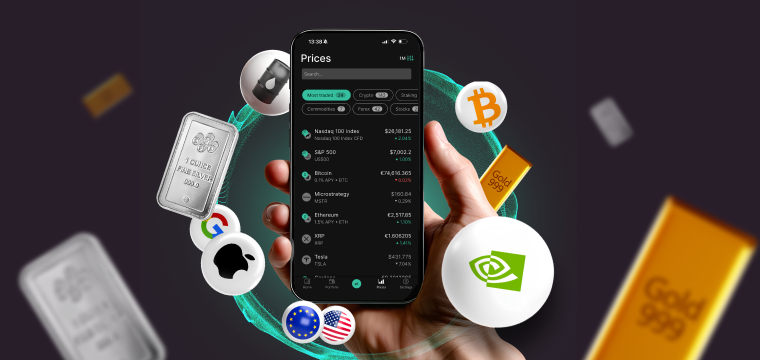
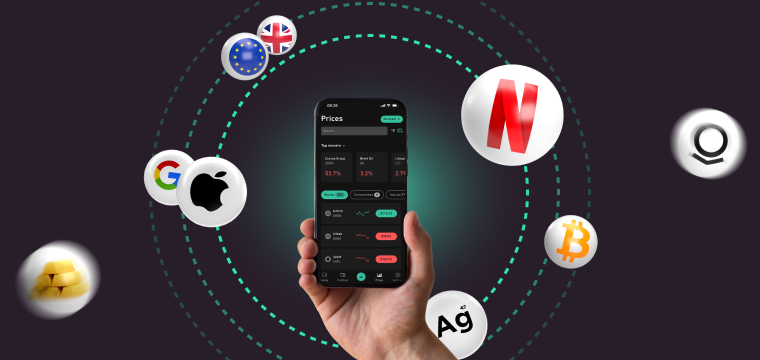
Investing used to mean calling a broker or navigating complicated trading platforms. Today, it’s often as simple as opening an app on your phone.
Modern investment apps have made it much easier to buy stocks, explore cryptocurrencies, and start building a portfolio.
In this guide, I’ve put together a list of 14 investment apps that stand out for their usability, features, and overall accessibility. Below, you’ll find a closer look at what each platform offers, along with the advantages and limitations that beginners should consider before choosing where to invest.
Key Takeaways
- Investment apps make it easier than ever to start investing from your phone.
- Beginners should prioritize low fees, security, and ease of use.
- Apps like Change, Trading 212, and Robinhood are popular for beginner investors.
Where to Invest in 2026?
The financial landscape in 2026 offers a range of exciting opportunities for investors:
- Cryptocurrency- Digital assets like Bitcoin, Ethereum, and emerging altcoins remain popular. Using good apps for investing in cryptocurrency, you can easily buy, sell, and hold crypto.
- Stock Market - Top-rated trading apps for stocks provide access to diversified portfolios.
- ETFs - Exchange Traded Funds remain a preferred choice for most investors seeking long-term growth with a generally lower risk level compared to individual stocks.
- Small Investments - Some investing apps let you start with as little as a few dollars, making investing accessible for everyone.
How I Selected These Investment Apps
For this guide, I focused on platforms that are relatively easy to use and accessible for people who are new to investing. I looked at factors like account setup, fees, available assets, and how intuitive the apps feel in day-to-day use.
I also paid attention to practical things that matter once you actually start using an app, such as how quickly you can deposit funds, whether the interface is easy to navigate, and whether the platform offers tools or resources that help you understand what you're investing in.
The goal of this list is simple: highlight investment apps that make it easier for beginners to get started while still offering enough features to grow with you over time.
How to Choose the Best Investment App
Finding the right investing app is crucial to your success. Here are some factors to consider:
User-friendly interface. Look for an app that's intuitive and easy to navigate, especially if you're a beginner.
Low fees. Small, frequent trades can add up quickly, so unclear pricing can have a bigger impact than expected.
Security. Look for apps that use strong security measures and operate under recognized financial authorities.
Useful Features. From auto-investing apps to real-time tracking, research tools, and educational resources — choose an app that suits your needs.
Asset variety. A good investment app should provide access to various assets within a single investment account, including stocks, crypto, ETFs, and bonds.
14 Best Investing Apps for Beginners
Below are some of the best investing apps for beginners in 2026, along with their key features, advantages, and potential drawbacks.
1. Change
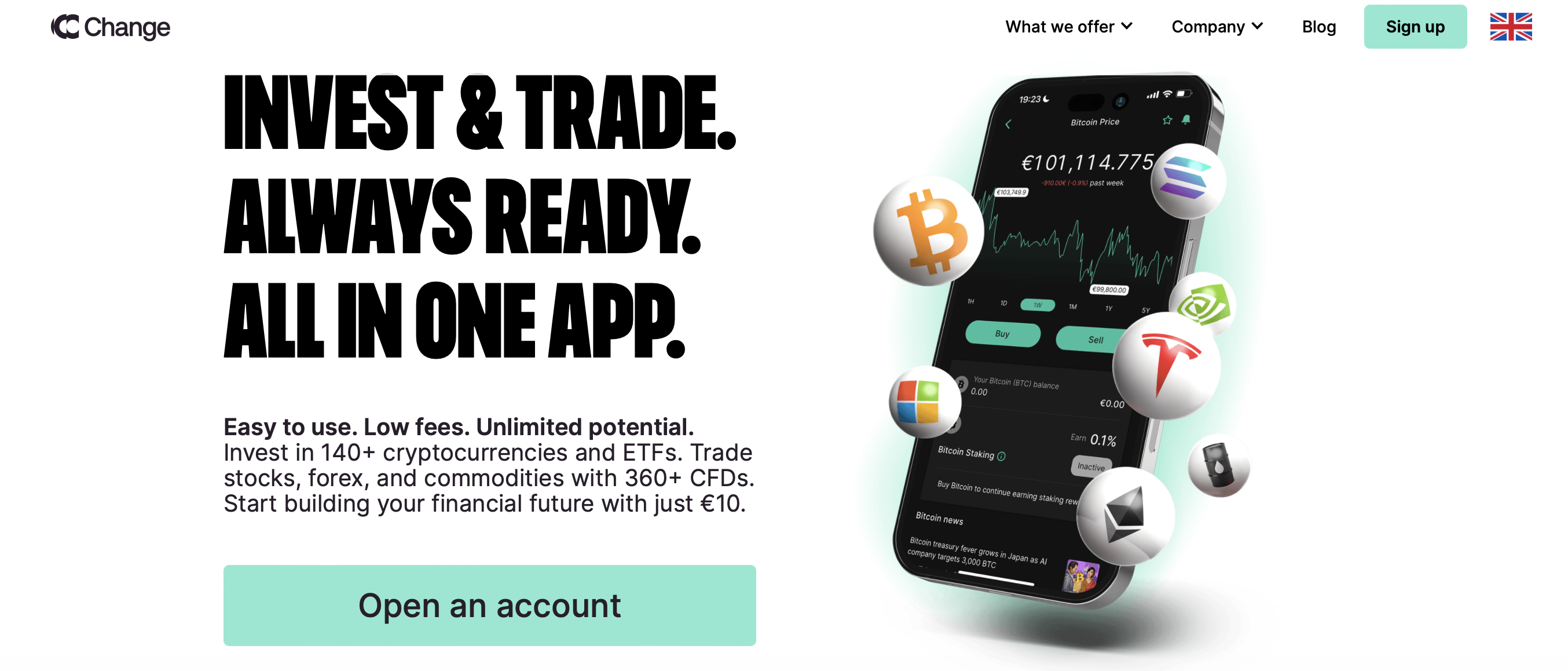
Change continues to be one of the best choices for European traders looking for a secure and cost-effective way to invest in cryptocurrencies and CFDs. With a clean interface, low fees, and a variety of supported assets, Change provides a hassle-free trading experience.
- Quick onboarding process, allowing users to start trading within minutes
- Responsive and friendly customer support
- Well-designed user interface for seamless trading
- Supports 11 crypto deposit and withdrawal options
- Available only for European customers
For those looking for an intuitive platform with access to popular cryptocurrencies and stock CFDs, Change is an excellent choice. Change operates under two regulatory frameworks: crypto services are provided by xChange AS, licensed by the Estonian Financial Intelligence Unit (FIU) under licence no. FVT000072, while CFD trading is provided by Change Securities B.V., authorised and regulated by the Dutch Authority for the Financial Markets (AFM) - one of the most respected financial regulators in the EU.
👉 Open your Change account now and start trading CFDs with low fees and a simple, beginner-friendly platform.
2. Crypto.com

Crypto.com has established itself as a major player in the crypto industry, offering a wide selection of digital assets and trading features. The app allows users to earn rewards, stake assets, and engage in DeFi services.
- Onboarding takes 1-2 business days
- Offers a variety of Visa debit cards with cashback rewards
- Access to a large selection of cryptocurrencies
- Some features, such as staking and rewards, may be restricted in certain regions
- Verification process can take longer during peak periods
- The user interface can be overwhelming for beginners
Crypto.com is a great option for users who want an all-in-one crypto trading experience with additional financial services. However, its complex fee structure may not be ideal for casual traders.
3. Bitpanda
Bitpanda is a Europe-focused trading platform known for its instant SEPA deposits and user-friendly design. The platform supports cryptocurrencies, stocks, ETFs, and precious metals, making it a versatile choice for investors.
- Quick onboarding, with SEPA deposits clearing in minutes
- Supports multiple fiat currencies for deposits
- Available on both desktop and mobile
- Limited to European customers
- Higher fees compared to some competitors
Bitpanda is a strong choice for European traders looking for a multi-asset investment platform. However, those outside of Europe may need to consider other options.
4. EToro
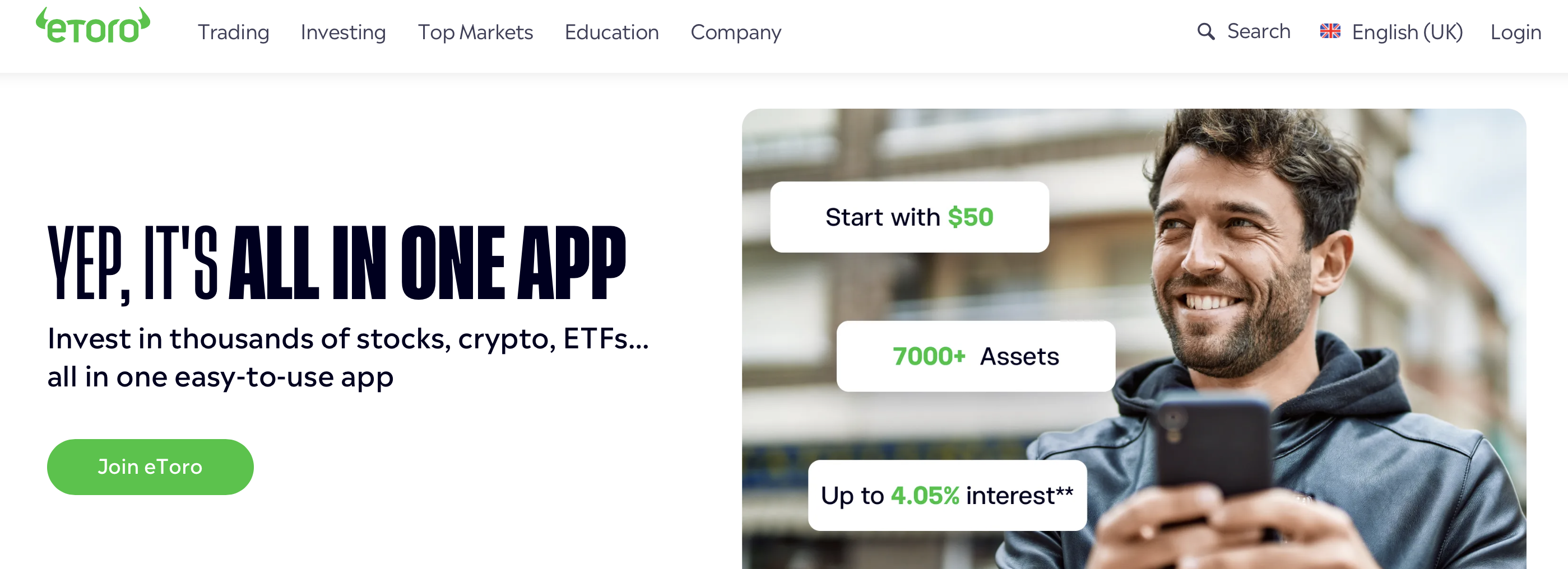
eToro is widely recognized for its social trading features, allowing users to copy trades from experienced investors. With commission-free stock and crypto trading, eToro is a top choice for beginners.
- Onboarding takes approximately 30 minutes
- Social trading features let you copy professional traders
- Well-regulated and licensed across multiple jurisdictions
- Limited advanced charting tools compared to specialized trading platforms
- Minimum deposit requirements vary by region and can be high for some users
- Withdrawals can take longer compared to other exchanges
eToro’s beginner-friendly platform is perfect for users who want to engage in both traditional and crypto trading. However, those seeking advanced tools may find the platform somewhat limited.
5. Revolut
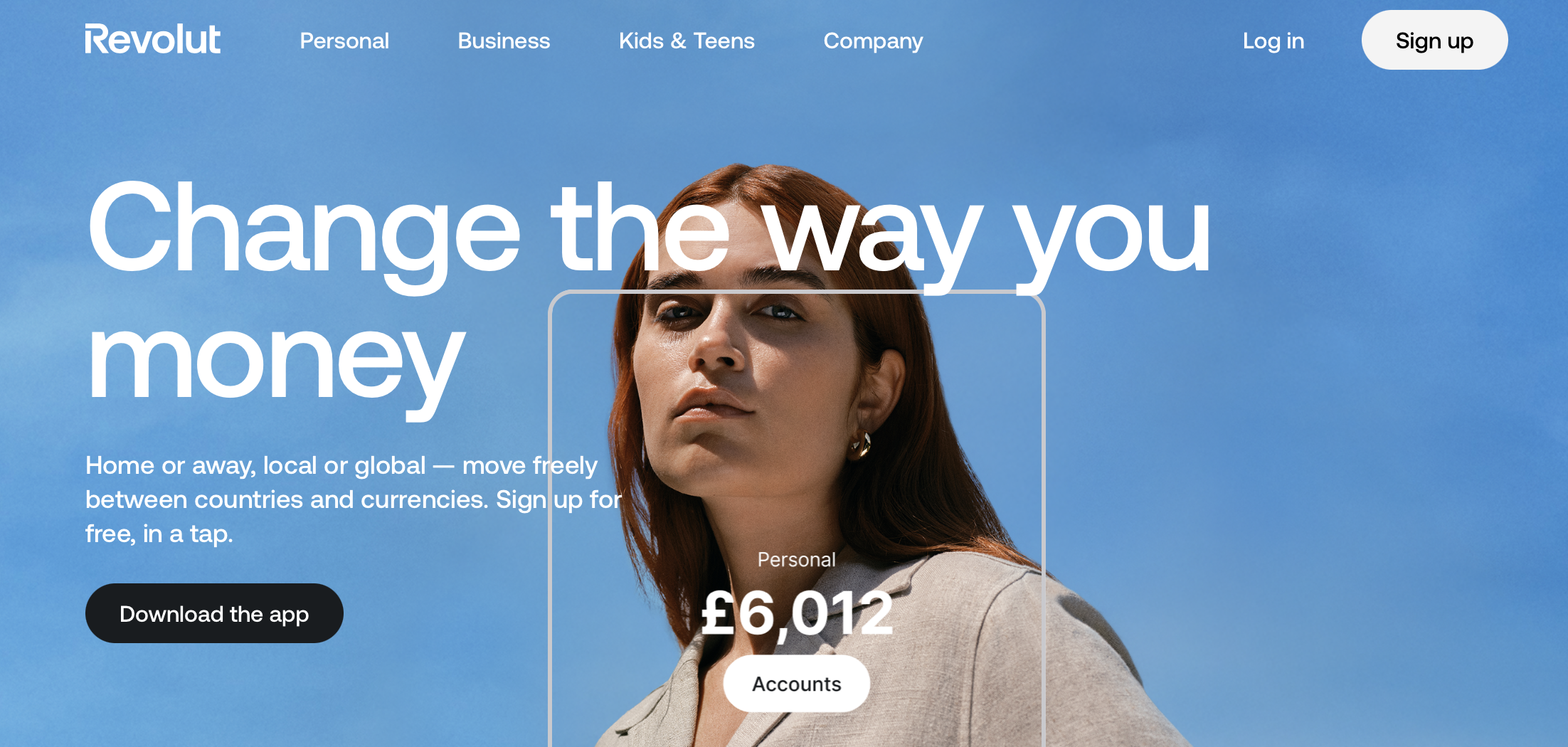
Revolut, initially a digital banking app, has expanded into the investment space, offering crypto, stocks, and commodities trading. The app is known for its simple interface and flexible pricing plans.
- Fast account setup, allowing trading within 15 minutes
- Supports multiple asset classes, including crypto, stocks, and gold
- Regulated and licensed in multiple regions
- Available in 40+ countries across Europe, the Americas, Asia-Pacific, and the Middle East. Note that investment and crypto features may be limited in some regions.
- Higher fees for Standard Plan users.
Easy and straightforward (and regulated) banking service. Revolut offers first trades for free, and if you'd like to make more trades, then you'll pay the platform fee or decide to upgrade to a premium plan. So if buying assets at a more affordable price is a must for you, then consider other options.
6. Coinbase
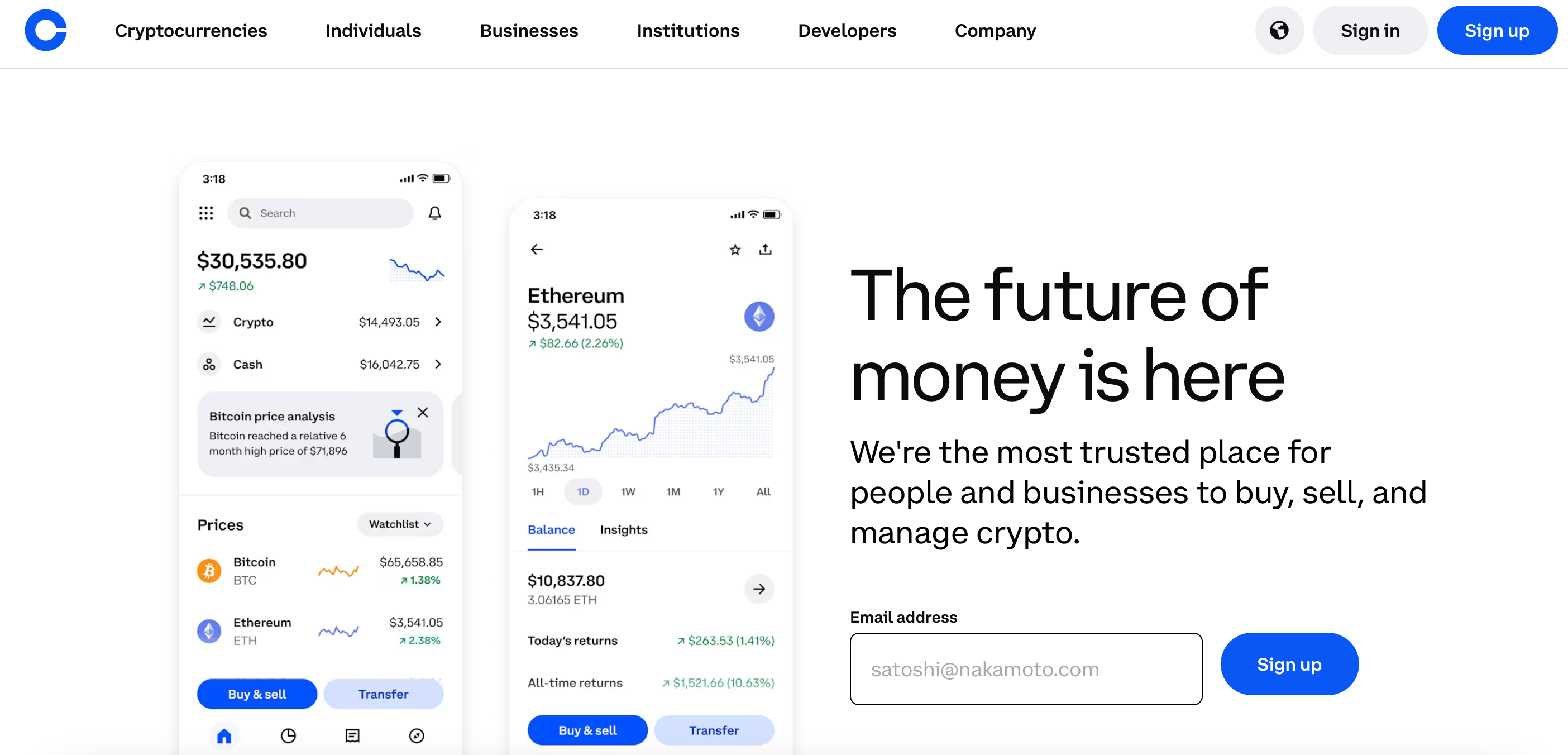
Coinbase is one of the most beginner-friendly cryptocurrency exchanges - offering a simple and secure way to buy, sell, and store digital assets. It is widely trusted and regulated in multiple regions.
- User-friendly interface, ideal for beginners
- Strong security measures, including institutional-grade insurance covering digital assets held in Coinbase's hot wallets against theft or security breaches on Coinbase's end. Individual account losses (e.g. from phishing) are not covered.
- Fast onboarding, with trading available in less than half a day
- Higher account fees
- More advanced trading tools are only available on Coinbase Advanced
Coinbase is a great option for new crypto investors who value security and ease of use. However, those looking for lower fees will probably prefer other exchanges.
7. Plus500
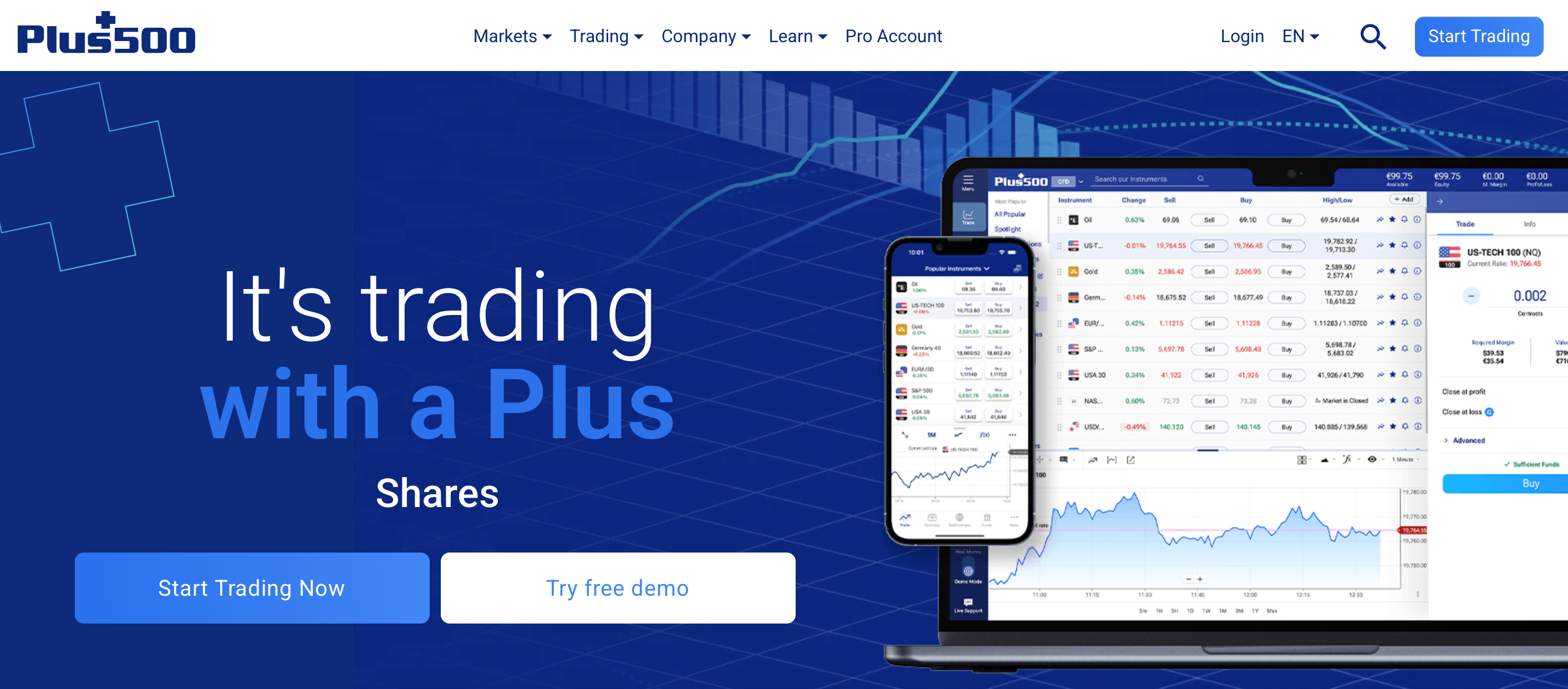
Plus500 is a leading platform for CFD trading, with a wide investment range that includes cryptocurrencies, stocks, forex, and commodities.
Pros
- Fast onboarding (downloading the app to start trading is 5-10 minutes)
- Multiple money depositing options are available
- A lot of different assets to trade with
- Web app is also available
Cons
- Minimum deposit requirement of €100
- Limited to CFD trading
Plus500 is a great choice for traders looking for leveraged trading opportunities. However, those who prefer owning assets should look into other options.
8. Trading 212
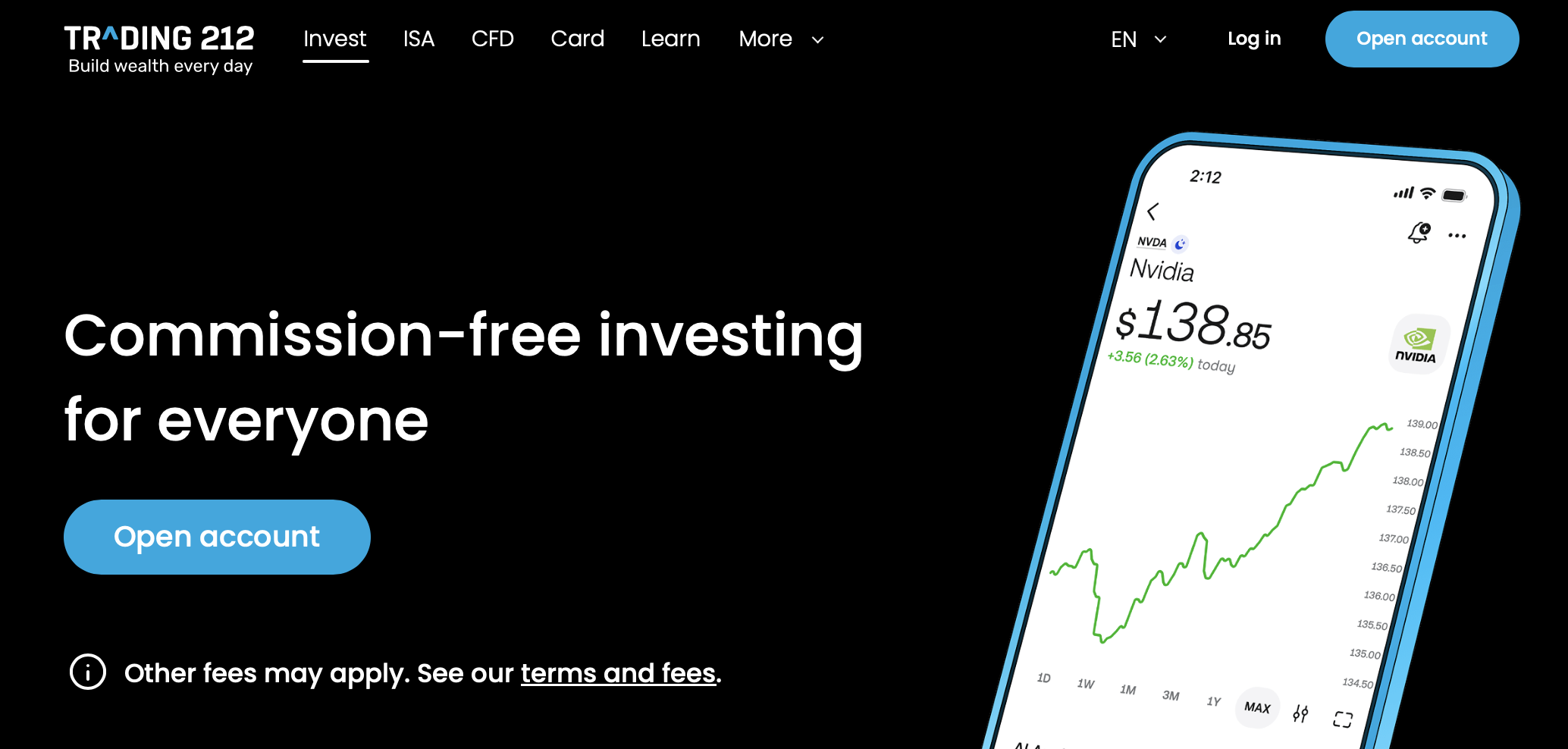
Trading 212 offers commission-free trading on stocks, ETFs, and forex. Its intuitive interface makes it a popular choice among European investors.
Pros
- Commission-free trading on stocks and ETFs
- Intuitive and beginner-friendly platform
- Offers fractional share investing
Cons
- Limited cryptocurrency options
- No access to MetaTrader for advanced traders
For investors looking for a straightforward trading platform with no commission fees - Trading 212 is a great choice. However, crypto traders may find the offered selection limiting.
9. Kraken
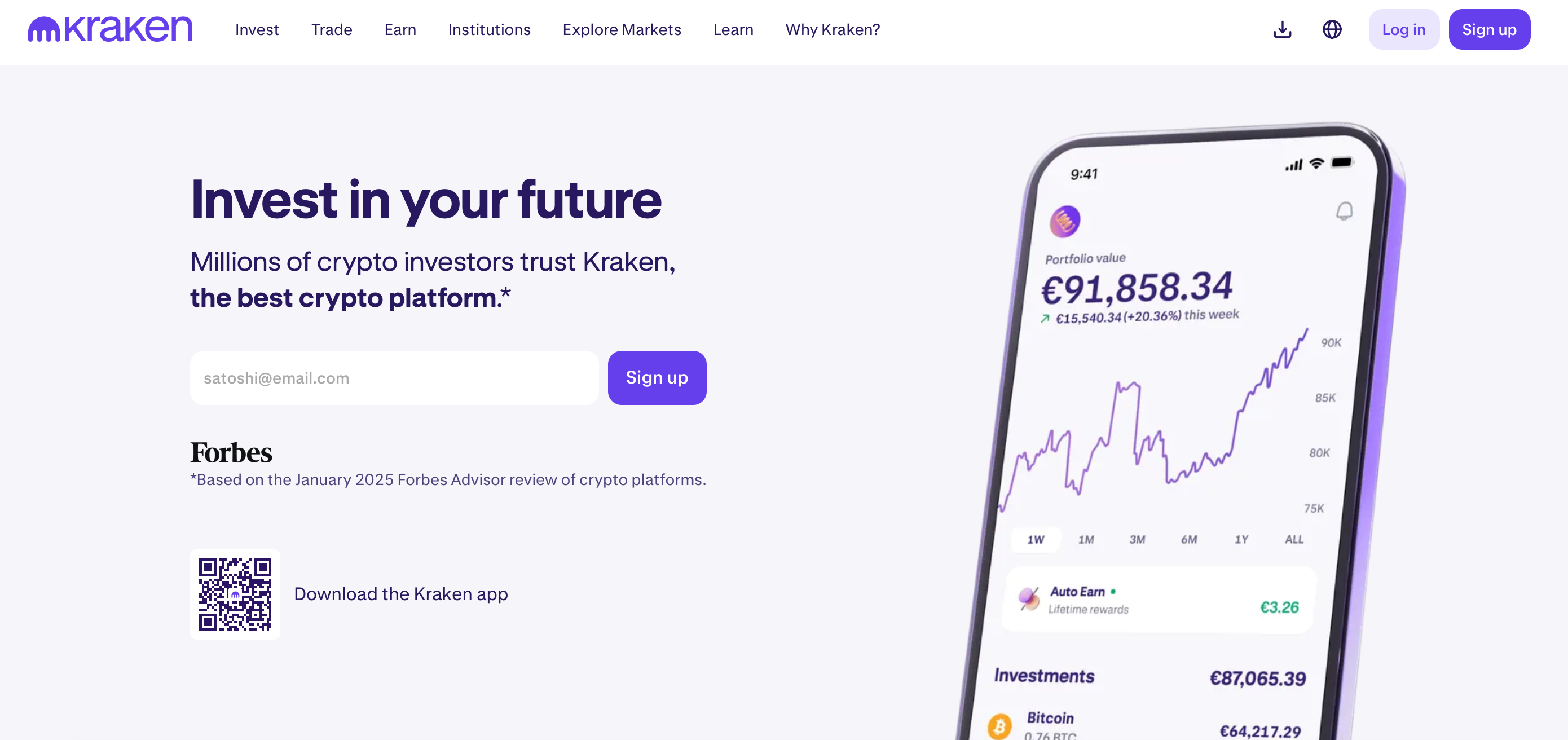
Kraken is a reputable cryptocurrency exchange known for its strong security protocols and advanced trading features.
Pros
- Strong security measures, including 2FA and cold storage
- Access to futures and margin trading
- Supports a wide selection of cryptocurrencies
Cons
- The platform may feel overwhelming for beginners
- Certain features are restricted in some regions
Kraken is an excellent choice for traders who prioritize security and seek advanced trading options. However, newcomers to crypto trading may require some time to get to know its interface and features.
10. Binance
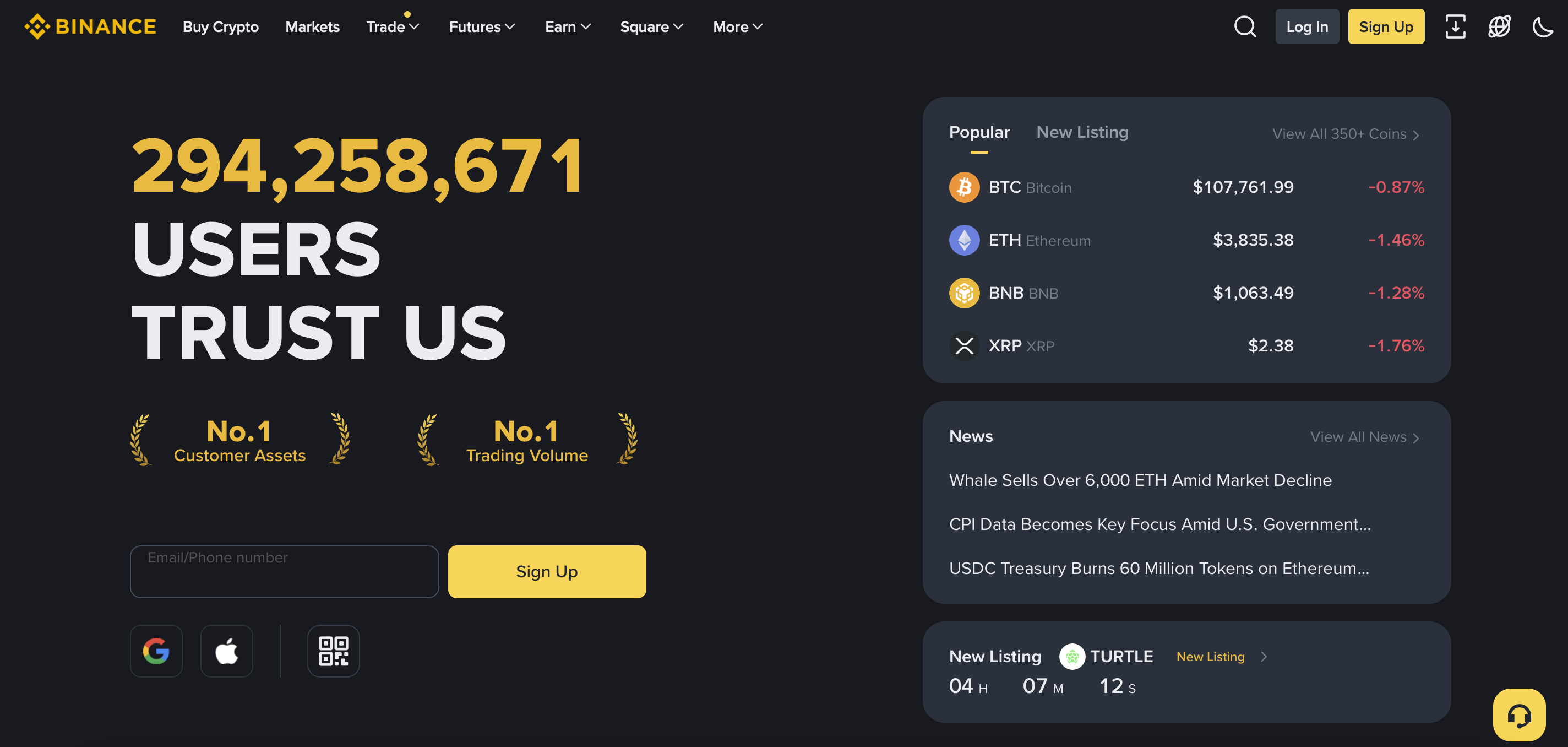
Binance is a globally recognized cryptocurrency exchange that is known for its selection of digital assets, competitive trading fees, and advanced trading features. It’s a great fit for both- newbies and professional traders, with a variety of tools, including futures trading, staking, and decentralized finance (DeFi) options.
Pros
- Among the lowest trading fees of any major crypto exchange, with a base rate of 0.1%, further reducible with BNB.
- Wide selection of cryptocurrencies and trading pairs
- Advanced trading features, including futures, staking, and DeFi options
Cons
- Regulatory challenges in some regions
- The platform can be complex for beginners
Binance is a good choice for traders looking for a platform with a wide range of trading options and digital assets. However, due to ongoing regulatory challenges, users should verify that Binance is fully accessible in their country before registering.
11. Trade Republic
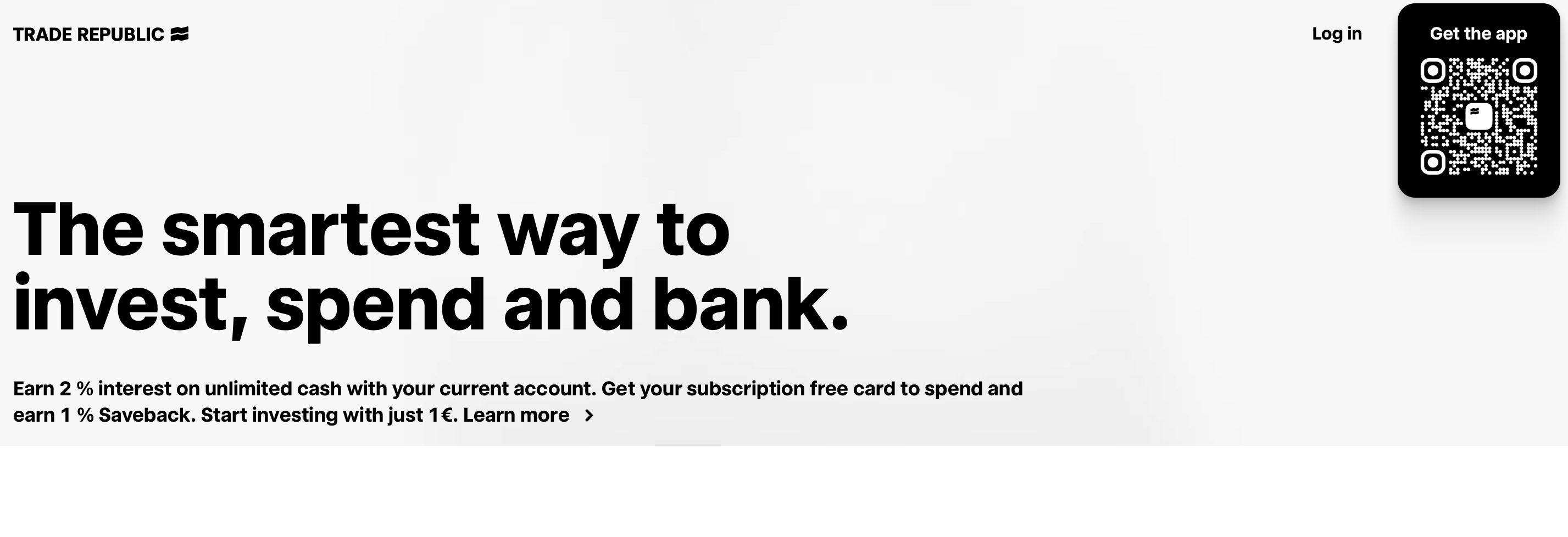
Trade Republic is a European-based investment platform which focuses on commission-free trading of stocks, ETFs, and cryptocurrencies. It is well known for its simplicity, making it a great choice for long-term investors and those who enjoy a hands-off approach.
Pros
- Commission-free stock and ETF trading
- Regulated by BaFin, guaranteeing compliance and security
- Intuitive app with a minimalistic design
Cons
- Limited cryptocurrency selection
- Customer support response times can be slow
Trade Republic is a solid option for European investors who want an affordable way to trade stocks and ETFs. However, those looking for a wider range of crypto assets may need to explore other platforms.
12. Lightyear
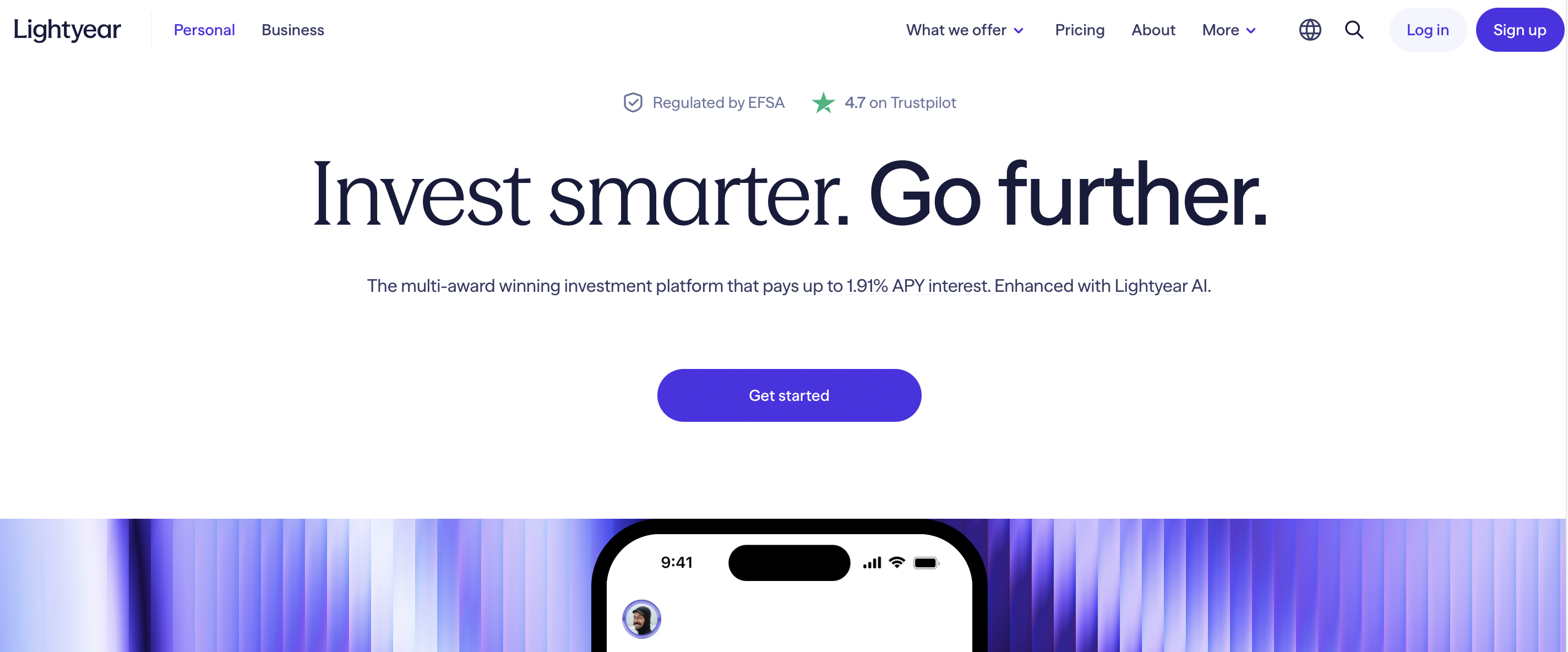
Lightyear is an investment platform designed for European traders, offering commission-free access to global markets. The app has multi-currency support, letting users invest in international stocks and ETFs without incurring foreign exchange fees. Lightyear aims to bridge the gap between traditional investing and tech-driven trading.
Pros
- Commission-free stock and ETF investing
- Intuitive interface for easy trading
- Supports multi-currency accounts for global investments
Cons
- Limited cryptocurrency options
- No advanced trading tools for professional traders
Lightyear is an excellent choice for investors who want exposure to global markets without incurring high fees. However, those interested in crypto trading may need to use a dedicated cryptocurrency exchange.
13. Tickmill
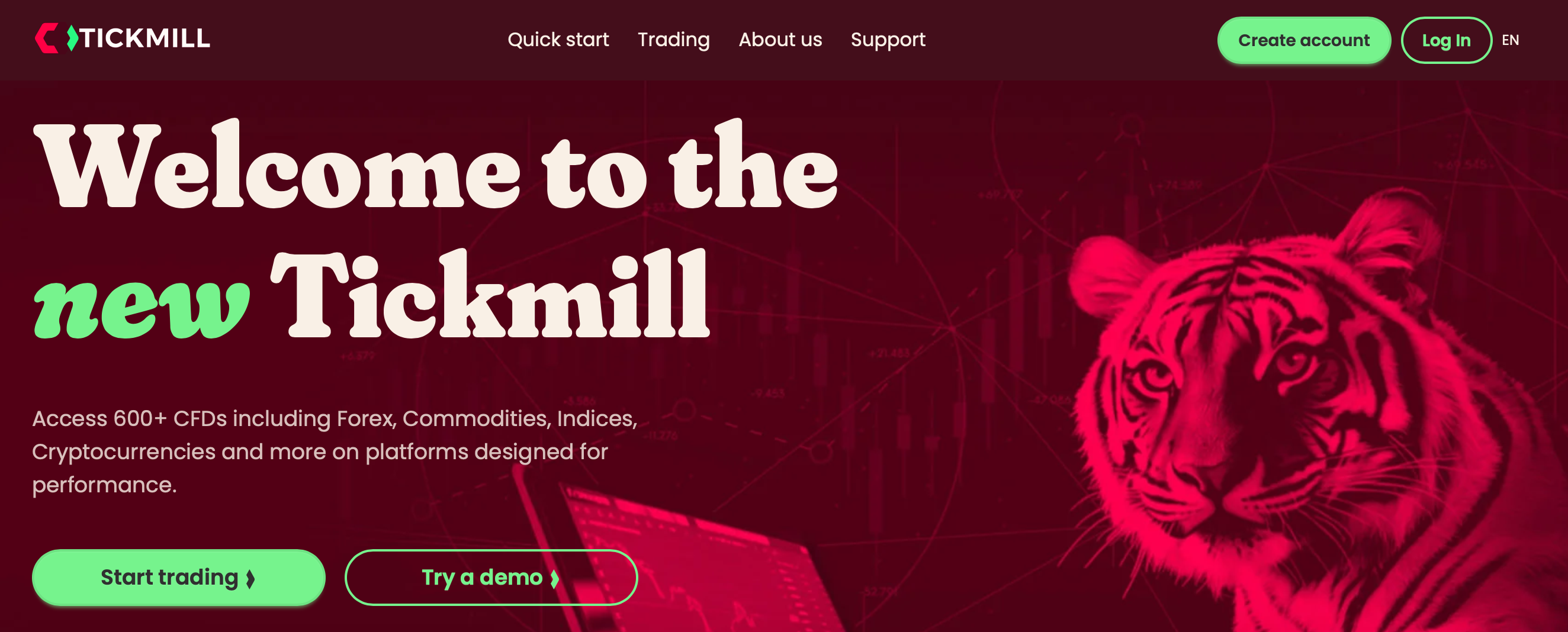
Tickmill is a professional-grade forex and CFD trading platform known for its tight spreads, low commissions, and high-speed trade execution. It is primarily for experienced, active traders who require more advanced and sophisticated trading tools, including support for automated strategies on MetaTrader 4 and MetaTrader 5.
Pros
- Low spreads and fast trade execution
- Access to forex, indices, commodities, and CFDs
- Supports MetaTrader 4 and 5 for automated trading
Cons
- Not suitable for beginners due to the platform’s complexity
- Limited stock and ETF options
- Higher minimum deposit requirement for premium accounts
Tickmill is a strong choice for traders who prioritize forex and CFD trading. However, those looking for a simple, beginner-friendly platform may prefer other brokers.
14. Robinhood
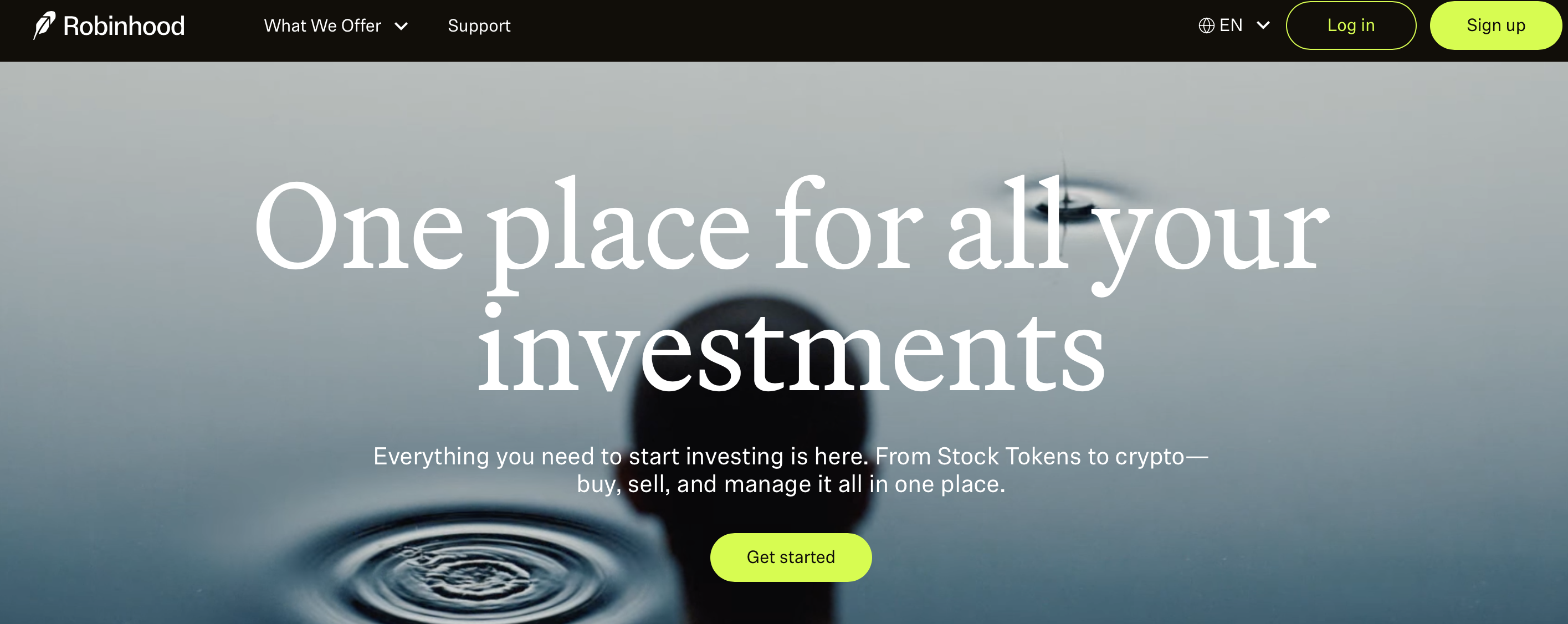
Robinhood gained popularity as one of the first online brokers to offer commission-free stock trading, later adding ETFs, options, and cryptocurrencies. Its simple mobile interface makes investing accessible to beginners, while more complex features cater to long-term investors as well.
Pros
- Commission-free trading on stocks, ETFs, and cryptocurrencies
- User-friendly interface designed for beginners
- Offers fractional share investing
Cons
- Fewer advanced trading features compared to competitors
- In Europe, Robinhood offers tokenized stocks and ETFs rather than traditional share ownership. EU users do not hold actual shares, have no voting rights, and should verify investor protection terms before investing.
Robinhood is a great choice for beginner investors looking for an easy-to-use platform with no trading fees. Those who want more advanced tools may find other platforms more suitable.
How Beginners Can Use Investment Apps to Grow Their Money
According to a Business Insider Mobile Banking Study, 89% of respondents use mobile apps for banking, and as high as 97% among millennials.
While banking and investing apps may seem different, we strongly believe there's a correlation. More trading and investing is done today on mobile applications than ever before, and has joined banking in the mobile financial sphere.
Investing money today has become so user-friendly, with companies like Change, that it can sometimes feel as simple as playing a mobile game. However, when it comes to putting your money to work, you don’t want to be careless. That’s why determining the best investment app for your needs and skillset is a must.
Many beginners start by opening a general investment account through an app, which allows them to buy and sell assets while learning how markets work.
Choose apps with user-friendly interfaces, diversified investment choices, and tools like automated portfolio management. Regularly monitor your investments, stay informed about market trends, and use features such as recurring investments or spare-change roundups to steadily build wealth over time.
With the right strategy, these apps can simplify the process of managing and growing your money effectively.
Common Mistakes Beginners Make When Using Investment Apps
Even with the best investment apps, it’s easy to make avoidable mistakes early on. Here are the most common ones:
- Overtrading too early: Frequent buying and selling can lead to unnecessary fees and poor decisions.
- Choosing overly complex apps: Advanced platforms can slow down learning and create confusion.
- Ignoring fees: “Commission-free” doesn’t always mean free; hidden costs can add up.
- Investing without understanding: Following trends without research increases risk.
- Focusing on short-term gains: Successful investing usually requires patience and consistency.
Avoiding these mistakes is often more important than picking the “perfect” app. If you get the basics right from the start, everything else becomes a lot easier.
Conclusion
For most beginners, the priority should be starting with an app that feels intuitive, has transparent fees, and provides access to the assets you’re interested in, whether that’s stocks, ETFs, or cryptocurrencies.
The most important step is simply getting started. With modern investment apps, you don’t need large amounts of capital or deep financial knowledge to begin. By starting small, staying consistent, and gradually learning how markets work, you can build confidence and grow your portfolio over time.
FAQ - Investment Apps
Where to Start Learning Investing?
New investors should choose apps that include built-in tutorials and helpful resources. Apps like Change provide simple guides and automated tools that make learning to invest accessible. Additionally, explore blogs, video tutorials, and free courses on financial literacy.
How to Make Sure Mobile Investment Apps Are Safe?
Safety is a top priority. Choose mobile investment apps that are regulated by financial authorities and offer features like two-factor authentication (2FA), encrypted transactions, and segregated funds. User reviews and transparent policies can also help you identify secure platforms.
What is the Best Free Investing App?
The best free investment app is Change. The platform offers commission-free trading, educational resources, and tools for both beginners and seasoned traders. For those looking to minimize costs, a free investing app is a great starting point.
What are the Best Apps to Invest in Cryptocurrency?
The best crypto trading platforms for 2026 include Change, Bitpanda, and Kraken. These platforms provide access to popular cryptocurrencies, real-time price tracking, and secure wallets. Beginner investing apps like Change stand out for their user-friendly design and low fees.
Which App Automatically Invests Spare Change?
Automatic investing apps like Acorns specialize in auto-investing platforms that round up your purchases to the nearest dollar and invest the spare change into diversified portfolios. This feature is ideal for beginners who want to start small and build their investments gradually.
How to Start Investing Under 18?
Investing apps for those under 18, apps like Greenlight and Stockpile allow minors to invest with parental guidance. These best investing apps for teens provide educational tools and parental controls, making them a great way to introduce young investors to the market.
What Fees Do Investment Apps Charge?
Many investment apps advertise commission-free trading, but that doesn’t always mean investing is completely free. While some platforms don’t charge a fee for buying or selling certain assets, there may still be other costs involved depending on how you use the app.
For example, some platforms charge a small fee for currency conversion when trading international assets, while others may apply account or platform fees. Certain apps also charge inactivity fees if an account isn’t used for a long period of time. In some cases, there may be minimum transaction fees or fixed charges per trade.
Before choosing an investment app, it’s a good idea to review the full fee structure so you understand exactly what you might pay. Comparing fees across platforms can help you find an option that fits your budget and investing style.
Are Investment Apps Safe to Use?
Most reputable investment apps are regulated by financial authorities and use security features such as encryption, two-factor authentication (2FA), and segregated customer funds. However, users should always verify that the platform is licensed and follow best security practices, such as enabling 2FA and using strong passwords.
How Much Money Do You Need to Start Investing?
Many modern investing apps allow users to start investing with as little as $1 to $10, thanks to fractional shares and automated investing features. This makes investing accessible for beginners who want to start small and build their portfolios gradually.